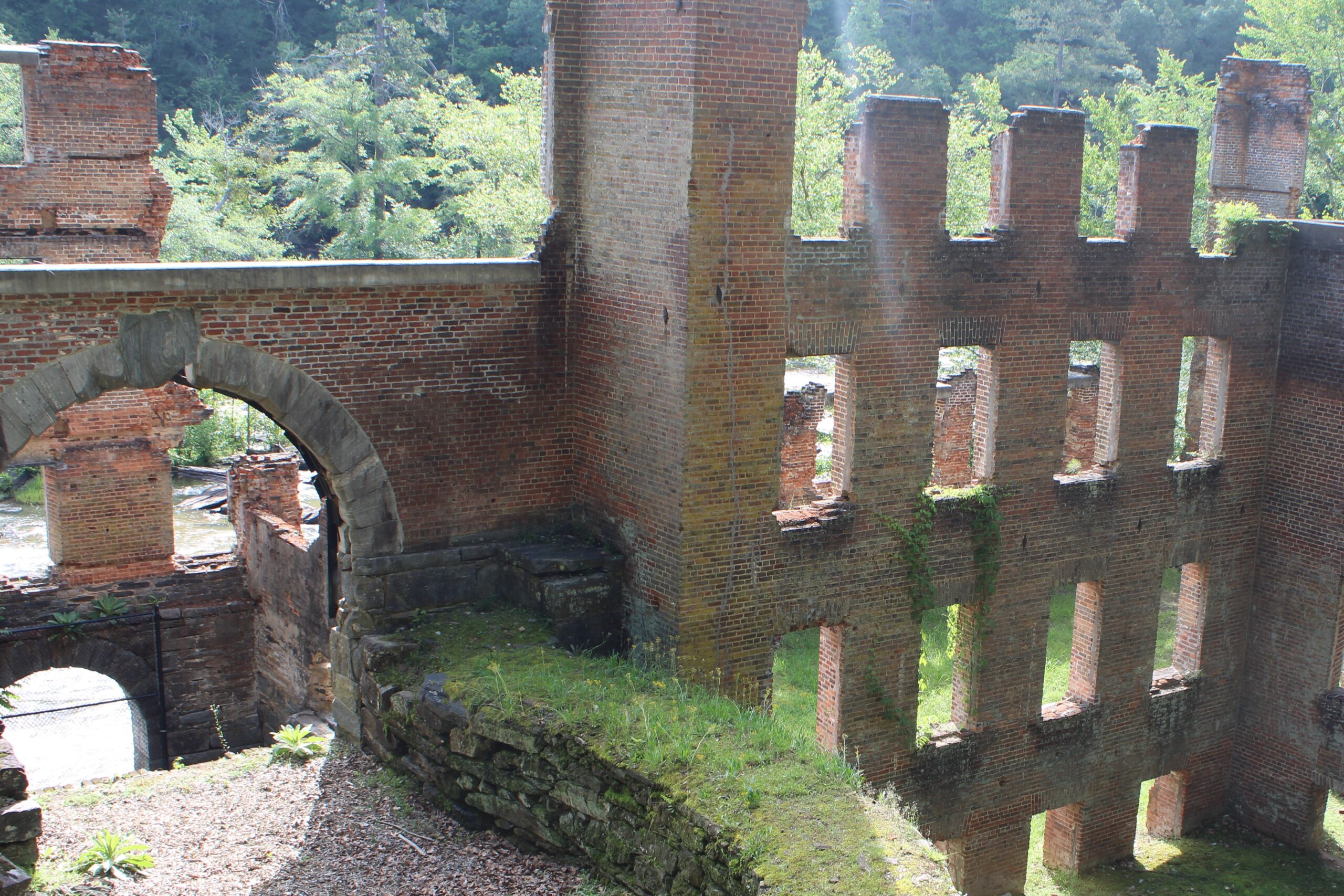
Chattahoochee River National Recreation Area (CRNRA) Island Ford Lollipop Trail
Location: 33.99752, -84.33508
Trail Length: 5.9 miles
Difficulty: Moderate
Trail details
Amenities
Trails
Trail type
Unpaved
Activities
Fishing, Hiking, Walking, Wildlife Viewing
Attractions
Hewlett Lodge Visitor’s Center, Historic Building
Hours of Operation
Dawn to Dusk
Share this Trail:
Trail details
Amenities
Trails
Trail type
Unpaved
Activities
Fishing, Hiking, Walking, Wildlife Viewing
Attractions
Hewlett Lodge Visitor’s Center, Historic Building
Hours of Operation
Dawn to Dusk
Share this Trail:
Trail
overview
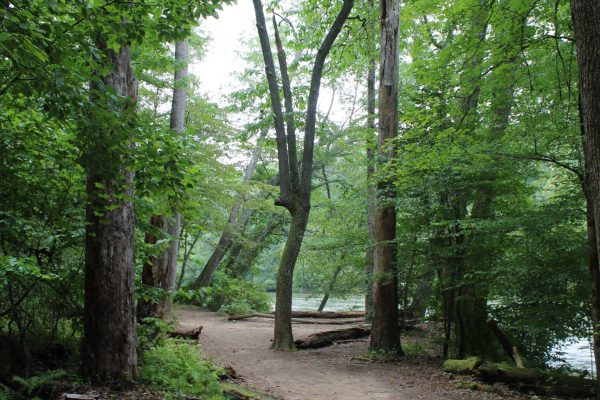
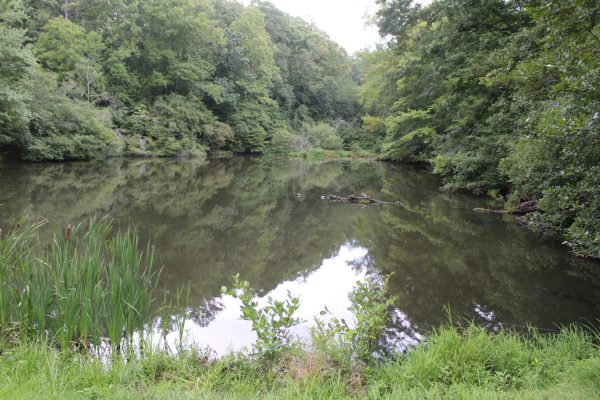
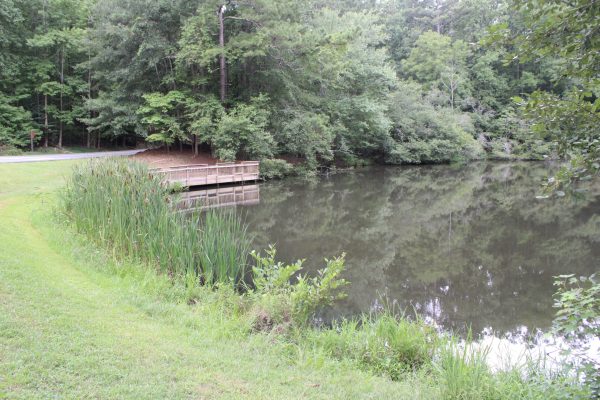
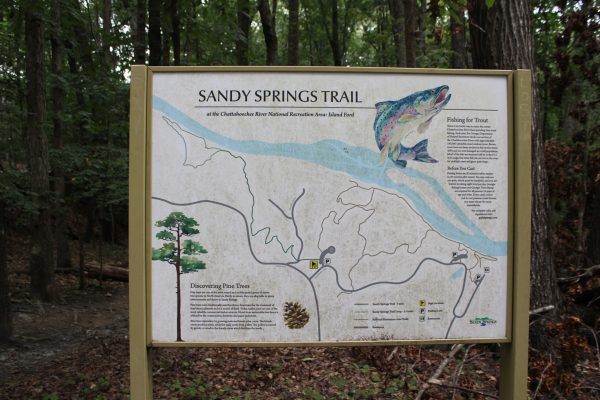
The Island Ford Trail is a network of scenic sub-trails that wind through the riverfront forest, across creeks, and along the banks of Hewitt Pond. The unit includes three primary interconnected loops: the Island Ford South Loop, the Sandy Springs Trail and Loop, and the Hewitt Pond Loop. Together, these trails offer a variety of hiking options, from short nature walks to longer routes totaling around 5.5 to 6 miles.
Along
the trail
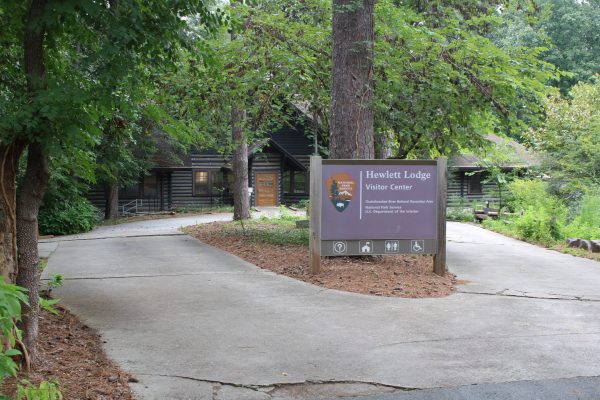
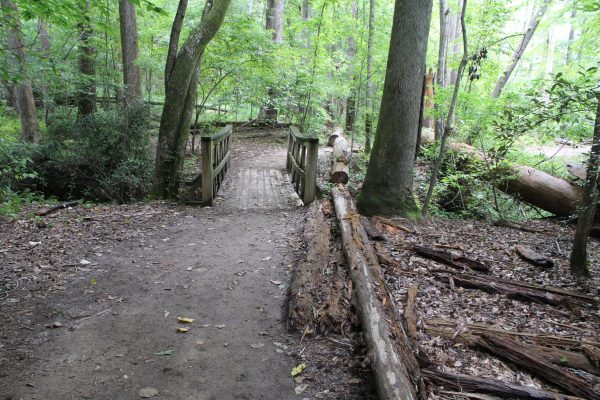
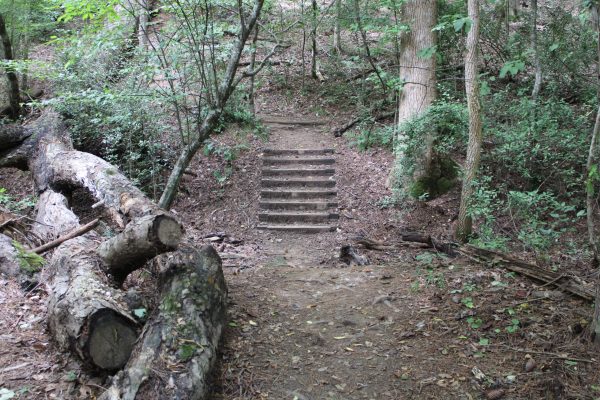
The main trail begins just behind the historic visitor center, crossing a wooden footbridge and entering a shady hardwood forest that follows the riverbank. The Island Ford South Loop features river views, access to prehistoric rock shelters, and leads toward the boat ramp area at the southern end of the unit. Further inland, the Hewitt Pond Trail loops around a small, tranquil pond and connects back to the main trail network, providing a gentle, family-friendly hiking option.Roughly two miles north of Hewitt’s Lodge, the Sandy Springs Trail branches off and forms a quiet lollipop loop through a more secluded stretch of forest, offering a peaceful retreat from the busier central paths.
Throughout the trail system, visitors can expect well-maintained paths, scenic overlooks, and opportunities to spot wildlife like deer, turtles, herons, and even the occasional owl. Fly fishermen can often be seen casting into the Chattahoochee, and benches along the way offer spots to rest and take in the views. The trail is dog-friendly (leashed) and ideal for hikers of all skill levels looking to enjoy the natural beauty and cultural depth of the CRNRA.
Trail
history
The Island Ford Trail follows paths that have been used for centuries as natural corridors along the Chattahoochee River. Along the trail, hikers can explore 16 prehistoric rock shelters—naturally formed overhangs that were used by Indigenous peoples as temporary dwellings or rest stops. These shelters are among the most significant archaeological features within the CRNRA, offering a tangible link to thousands of years of human presence along the river.
In the early 20th century, some trail areas were part of private recreational lands, with informal paths created by anglers and hikers. Over time, these routes were connected and formalized when the CRNRA was established, preserving both the natural beauty and cultural heritage of this unique river corridor.
Looking ahead, Island Ford is poised for growth with a planned trail expansion that will add approximately 2.2 miles of new trails. Construction is set to begin winter 2025.

 Hiking Trails